Interfaces
Clarity in difficult conditions.
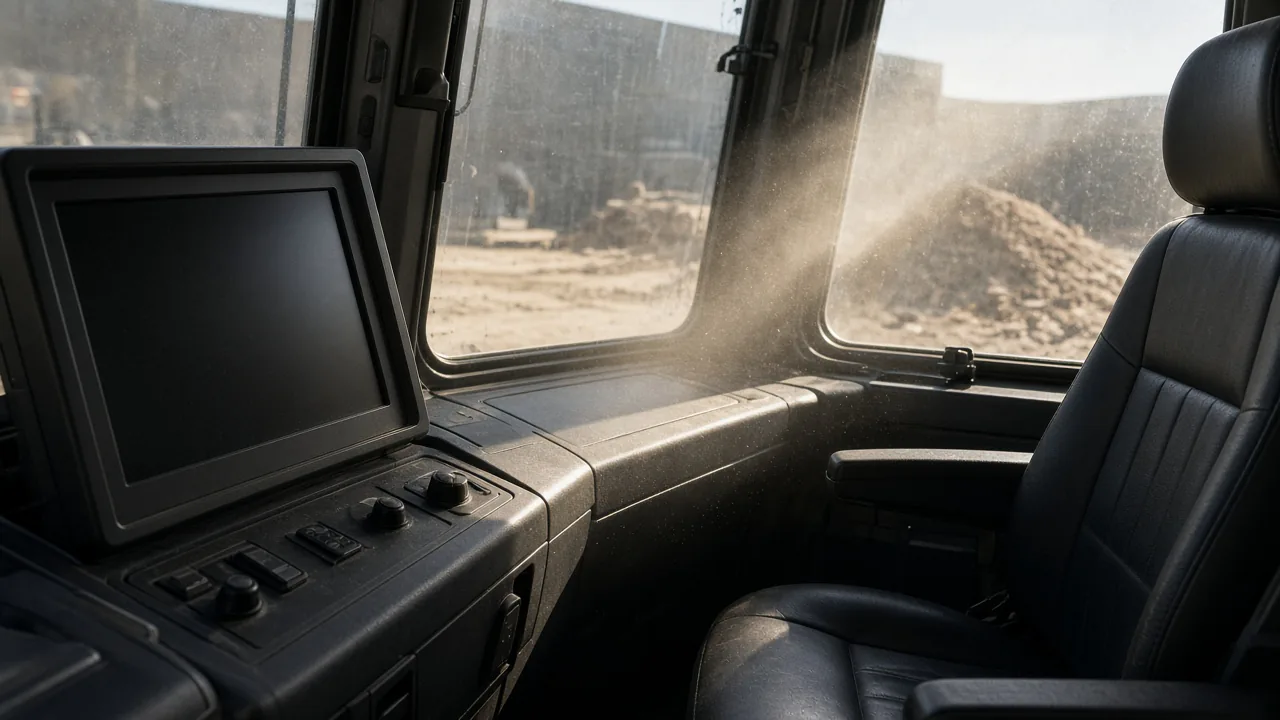
In a workshop, aboard a ship, in a field vehicle and at a remote site, the interface becomes part of the work.
Bright sun, darkness, noise, vibration, gloves and fatigue change what control requires. There may be little time to find a function, and the consequences of an error can reach far beyond the screen.
We design the approach to RUS OS interfaces around a concrete task, the equipment and the conditions of use.
The state has to be clear
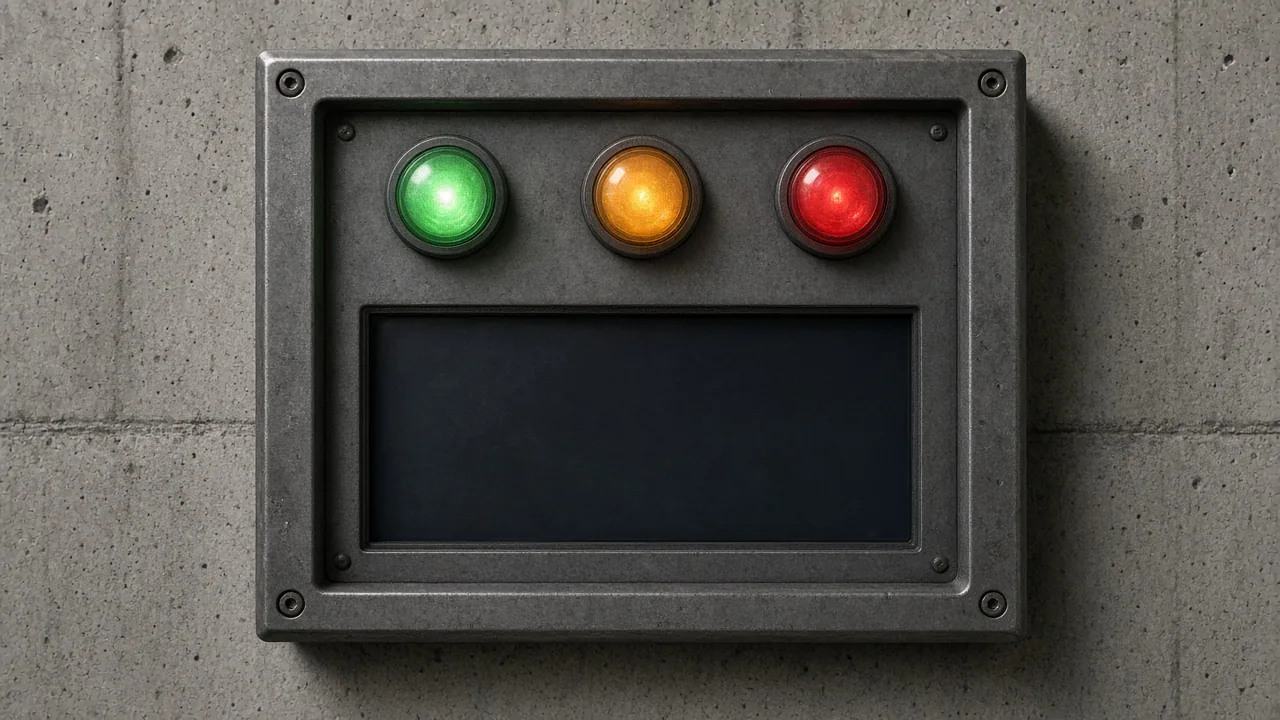
The operator needs to see what is happening now. Which mode is on, where the data comes from, whether a command is running and whether intervention is required.
Loss of the link, stale readings and unavailable equipment have to be marked plainly. A command that was accepted and an action that was completed have to be distinct.
The interface should help judge the situation from reliable data.
Control fitted to the work
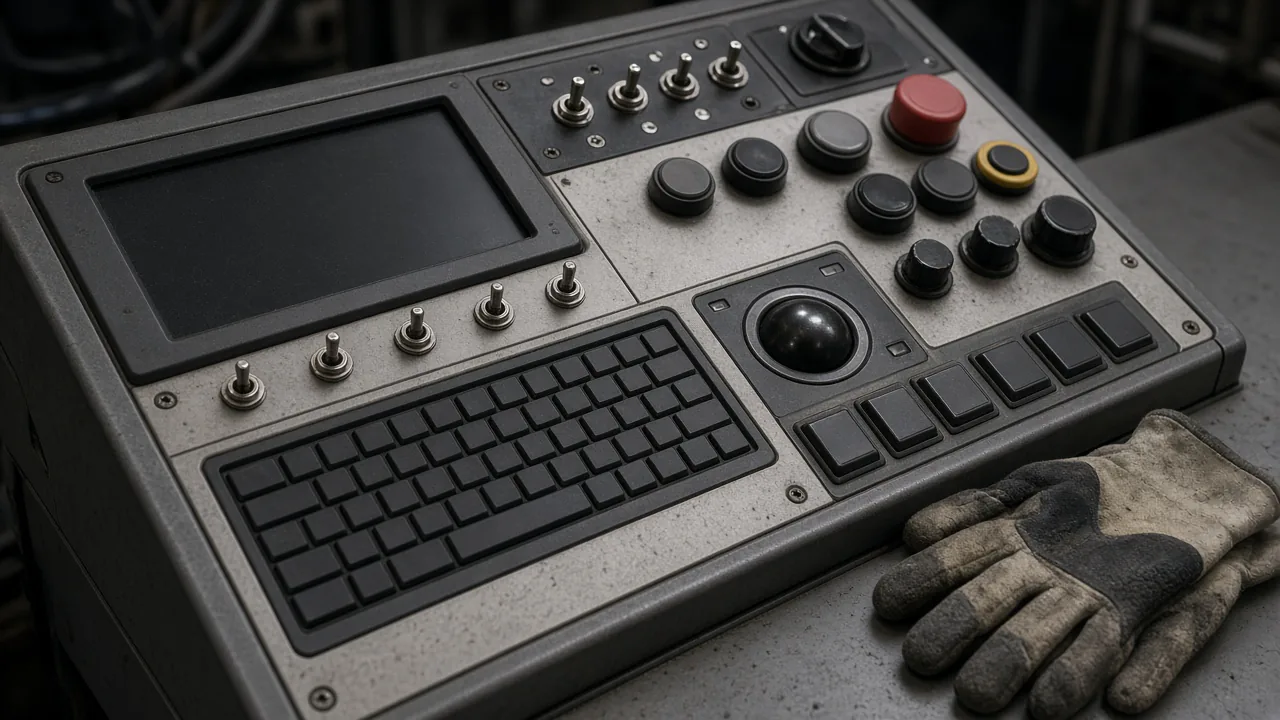
A touch screen, a keyboard, a trackball, physical buttons and switches solve different tasks.
The way of control is chosen for the workplace. Can an element be pressed accurately in gloves? Can a hand be held steady in a swell? Can a reading be seen in the sun? Can the main action be done without a long chain of steps?
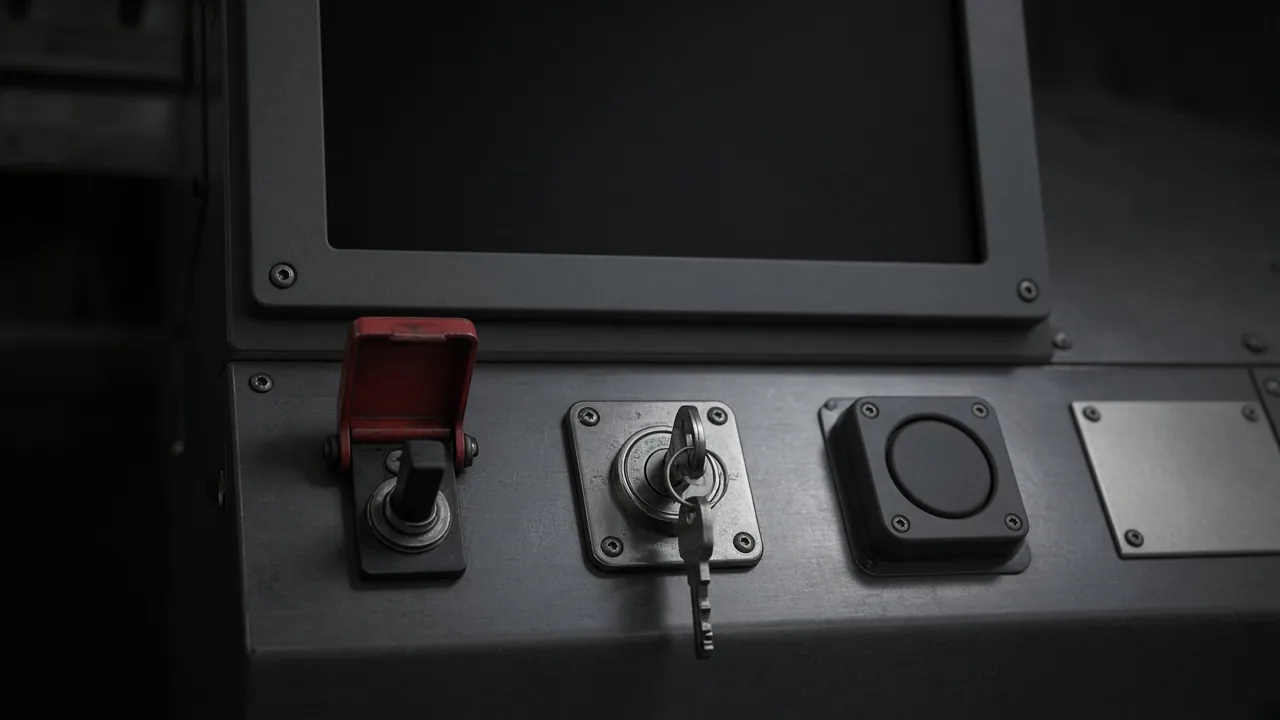
Critical functions need separate attention to reach, confirmation and protection against an accidental trigger.
The field and remote sites
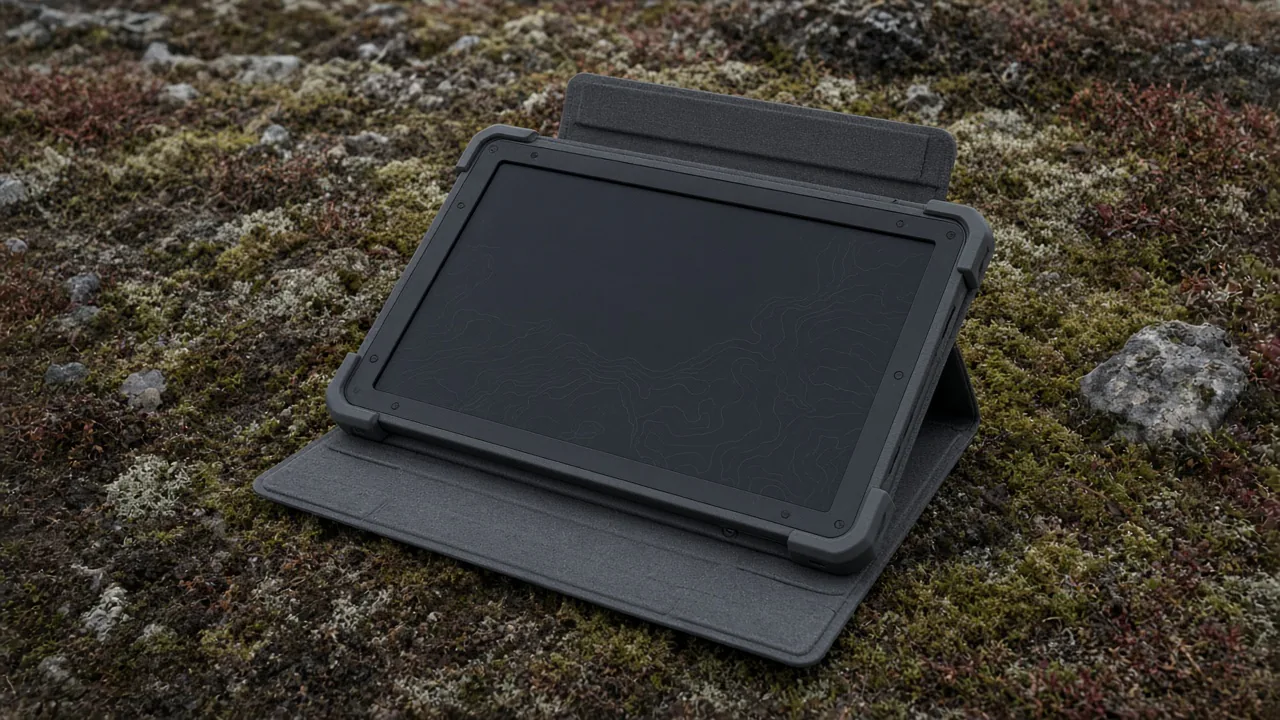
On a trip the device has to stay useful without a constant connection to infrastructure.
Maps, instructions, forms and the necessary working data have to be available within the intended autonomous mode. The results of the work have to be kept, and the state of synchronization has to be visible.
A person needs to understand what has already been sent, what is stored only on the device and which actions are not available yet.
Production
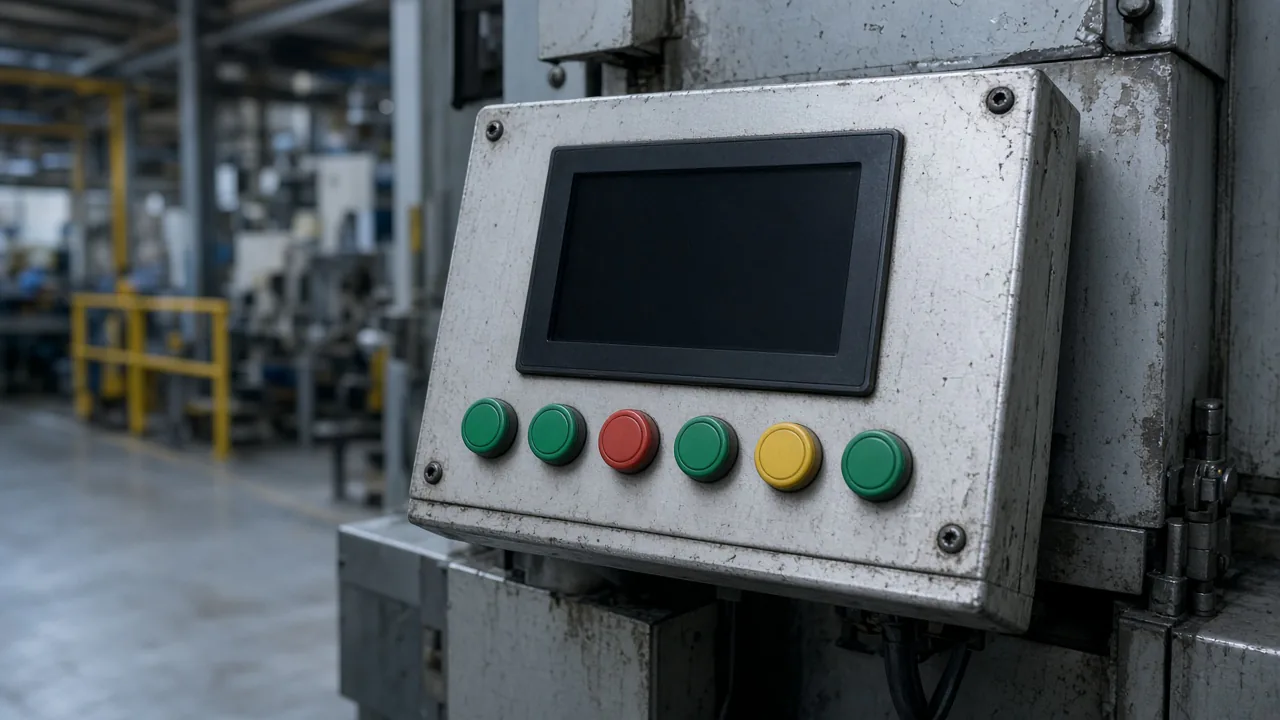
An industrial interface is built around the equipment and the process.
Parameters, modes, warnings and the operator's actions have to form a consistent system. The priority of a message is set by what it means for the work.
Frequent operations have to be convenient. Dangerous changes require the matching authority and a deliberate confirmation. After a restart or a failure the operator needs to understand the current state and the order of the next actions.
The sea and shipboard systems
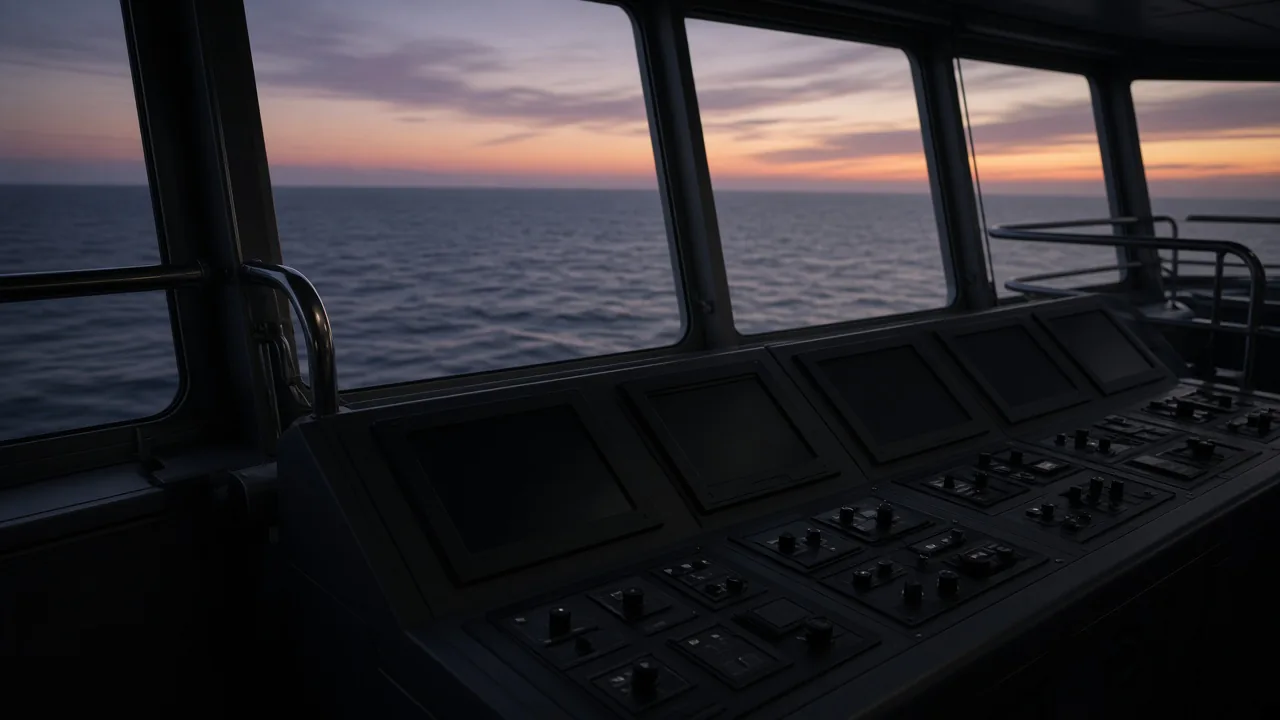
Swell, vibration, changing light and long shifts set their own requirements for display and control.
Readability, a stable placement of elements and brightness modes that match the workplace matter here. The state of sensors, communication channels and connected systems has to be shown together with the data that depends on them.
The main actions have to stay available in the intended autonomous modes.
Military use
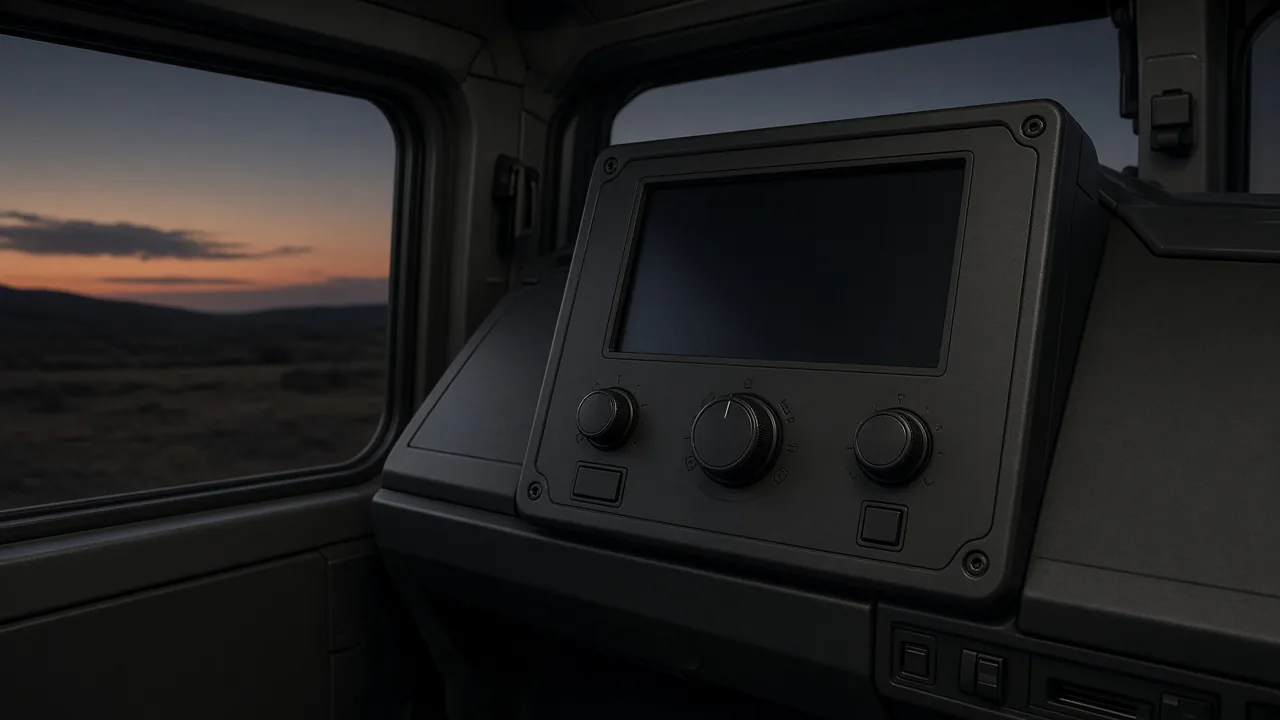
For military and special tasks the interface is set by the purpose of the system, the operator's role and the conditions of use.
Short sequences of actions, separation of access, control of how current the information is and a plain display of the link state matter especially.
The workplace has to show what is needed to carry out the task and provide control within the authority that was given. Changes to the interface have to account for operator training and the established procedures.
An error needs a considered response
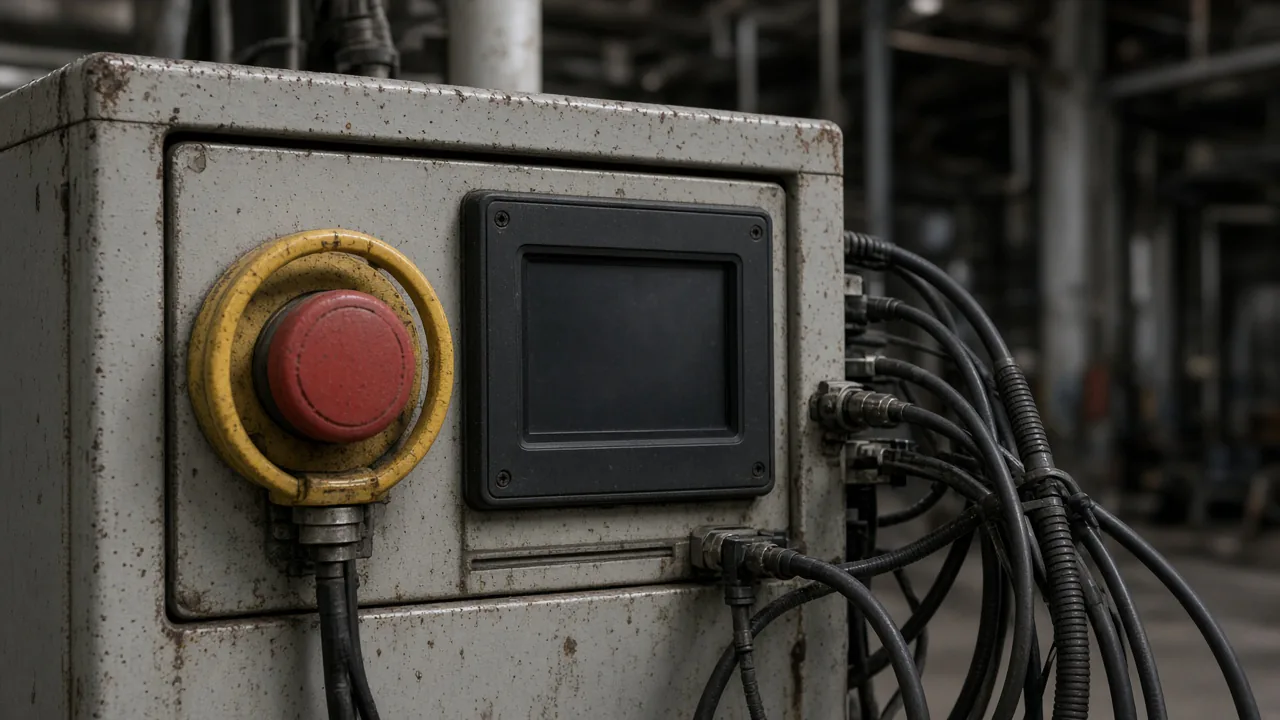
A mistaken action is possible even for a trained specialist.
Design has to provide for checking input, clear limits, cancellation where it is allowed, and a safe return to work.
Confirmations have to explain the consequences of the operation. Error messages have to help find the cause and the next step.
Intelligent help under control
Intelligent functions can help process a stream of events, find deviations and propose actions.
The interface has to distinguish measured data, a calculated estimate, a recommendation and a command that was carried out. The operator needs to understand the source of the information and the limits of the conclusion.
The authority of automation is set by the task. For significant actions the conditions of execution, the need for confirmation and the order of handing control to a person are set in advance.
A check in real work
A mock-up on a large monitor does not show how the interface will behave on site.
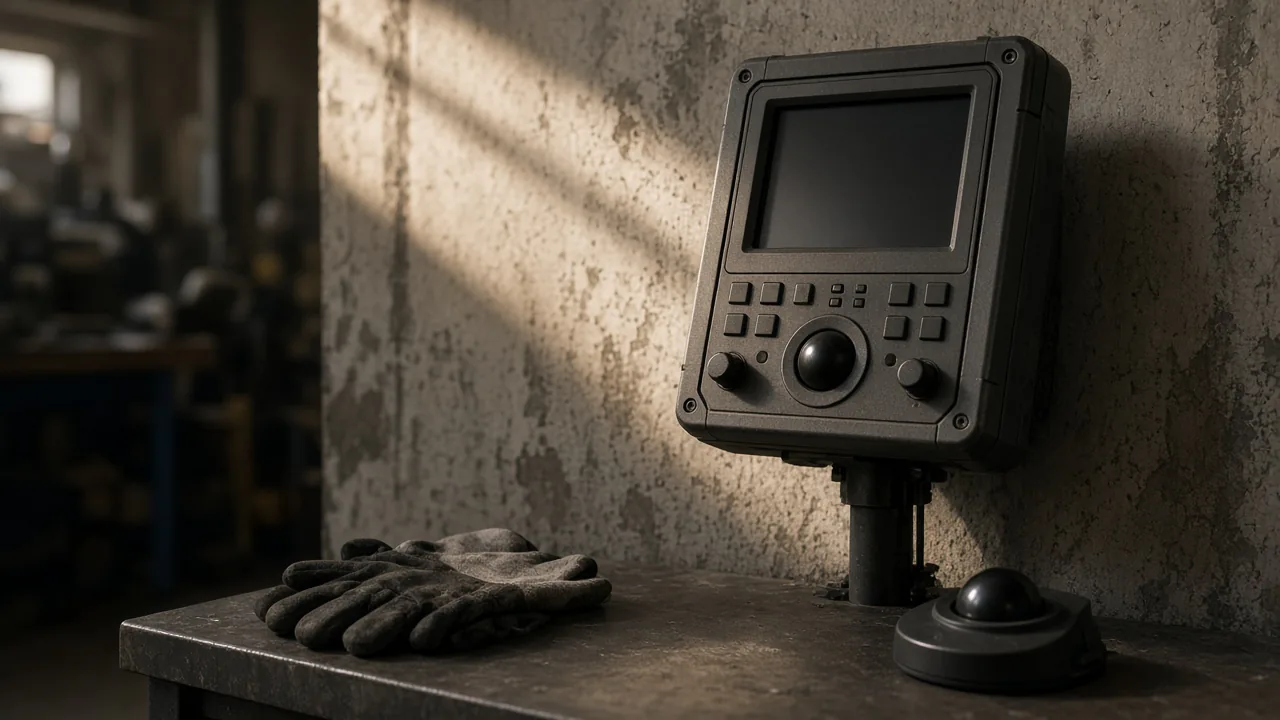
It has to be checked on the target equipment: with the working input devices, in the characteristic light, with a limited link and with typical failures. The trials have to include the specialists who will use the system.
We assess how quickly a person understands the state, carries out the task and restores work after an error.
A good interface gives the operator a clear picture and reliable control where that is required.