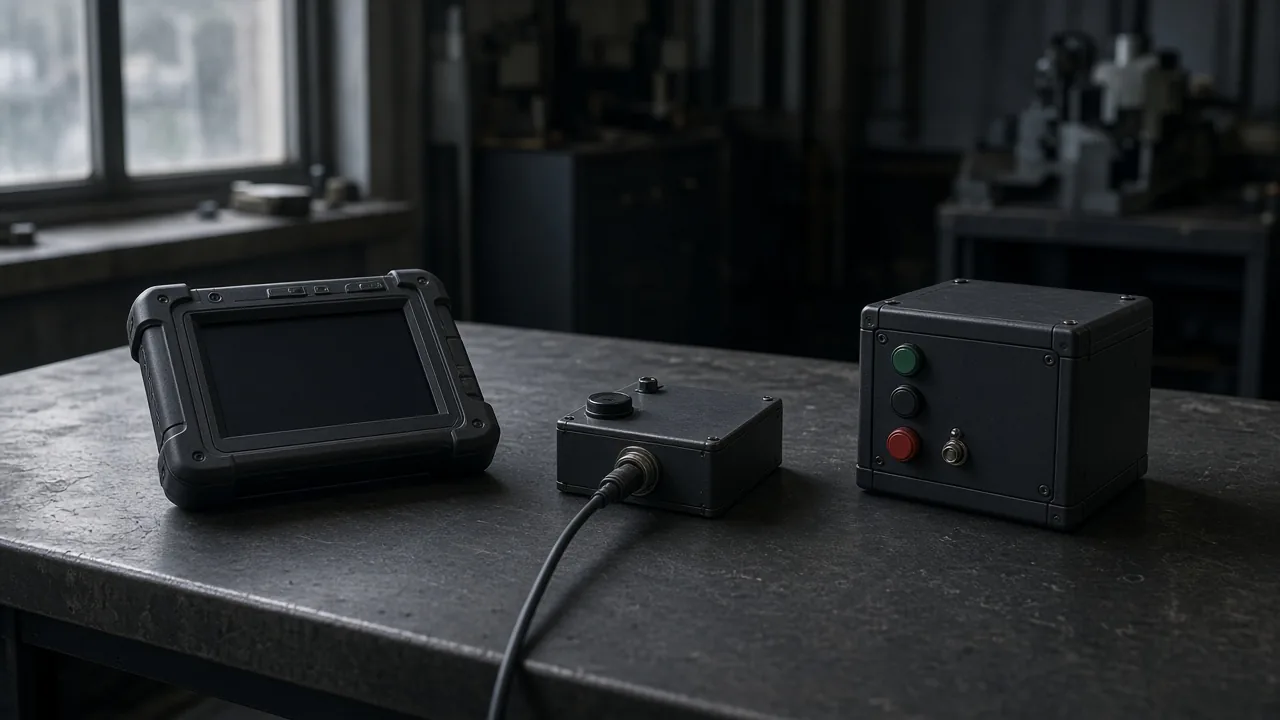
Devices
Each device has its own work.
We see the future of equipment in specialization. Devices will be built around concrete tasks, working conditions and human needs.
Today many functions sit in a phone or a computer. For each action a person has to choose an application, look for the needed capability and run the process through a screen.
The development of artificial intelligence opens another path. A device will be able to understand its task, take the situation into account and do the work with fewer actions from the person.
Communications, calculations, measurements, control of equipment and work with documents will get their own tools. Their form, interface and computing capacity will be set by their purpose.
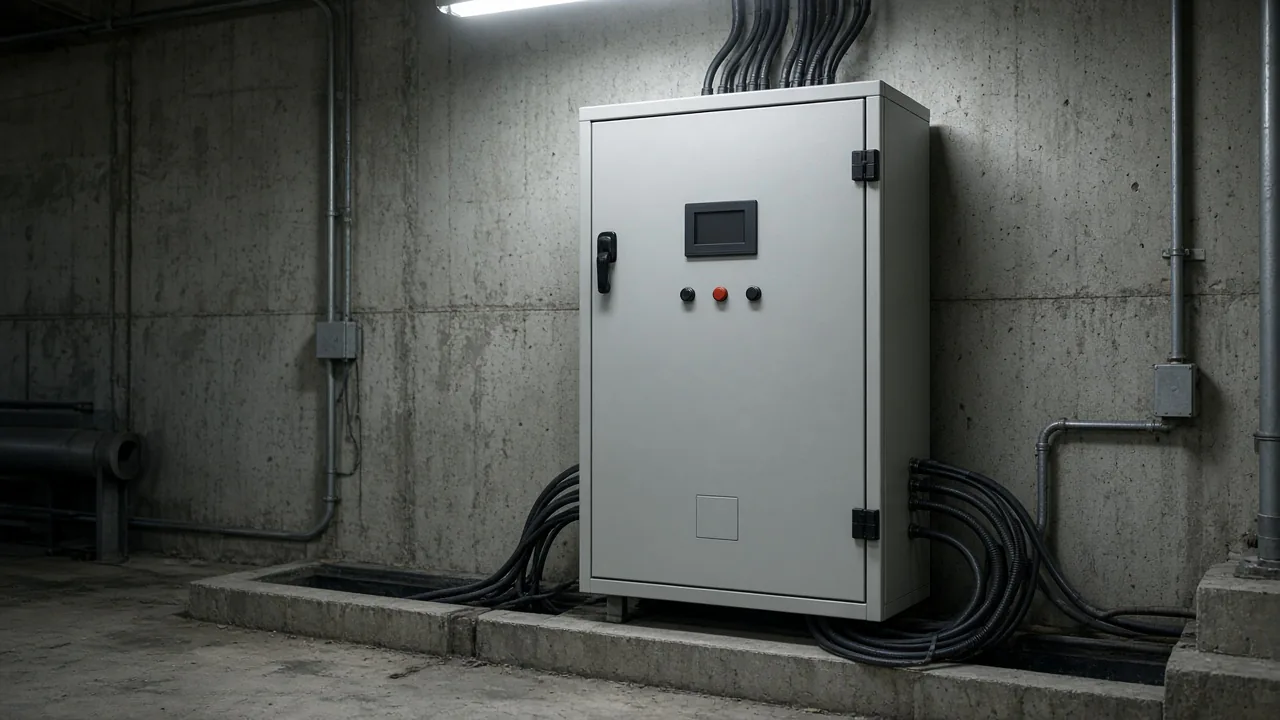
Specialization sets the boundaries
The more a device can do, the more data and authority it can gather in itself. When intelligent functions can act on their own, the limits of access become part of the architecture.
A device should receive the data it needs for its work. Its authority should match its purpose. The consequences of an error should be limited, and the actions of the system should be clear to the person.
We hold that the development of AI and growing security requirements will speed the move to specialized devices.
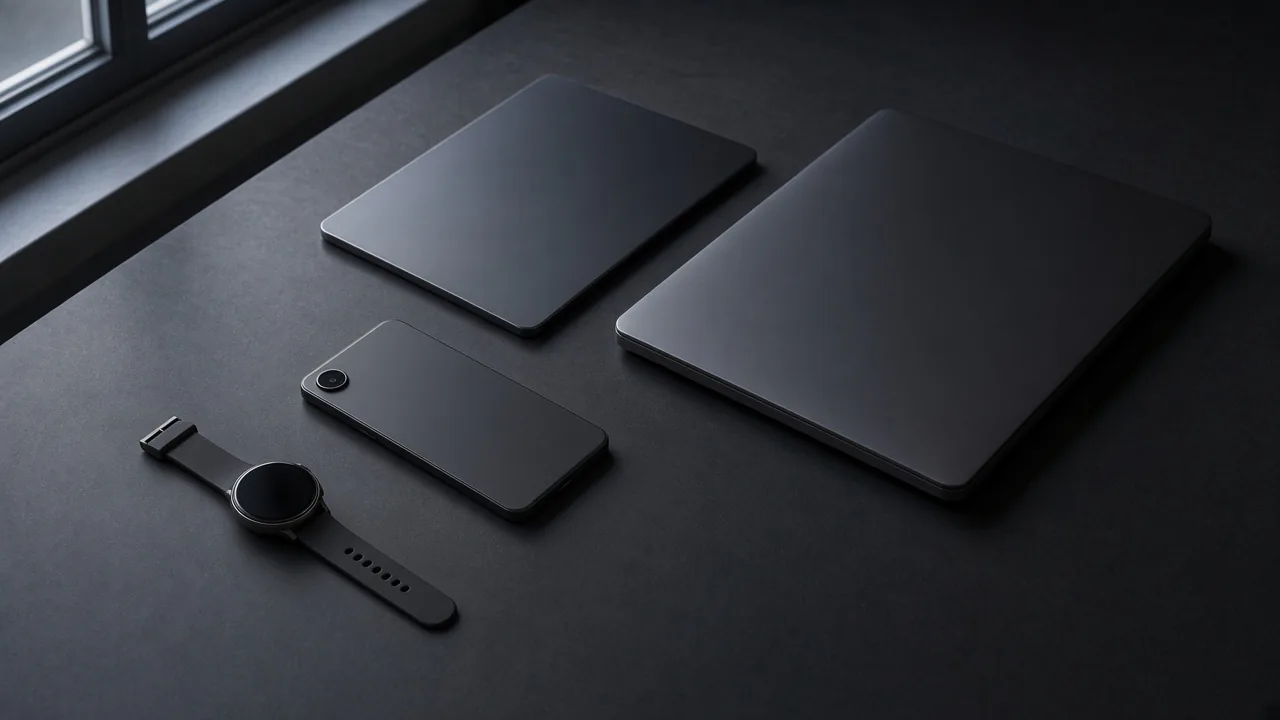
Different devices. A defined responsibility.
Phones, tablets, watches, laptops and computers will change. New forms and ways of interaction will appear. Some familiar actions will become automatic, and some will move to separate devices.
For RUS OS this is the starting design principle: begin with the task, determine the necessary set of functions and build the system around it.
What does the device do? What data does it need? What is it responsible for? How does it work without a link? How is it updated and restored?
The answers determine its architecture.
We are building a foundation for equipment in which each device knows its own work, and the person keeps control of the whole system.