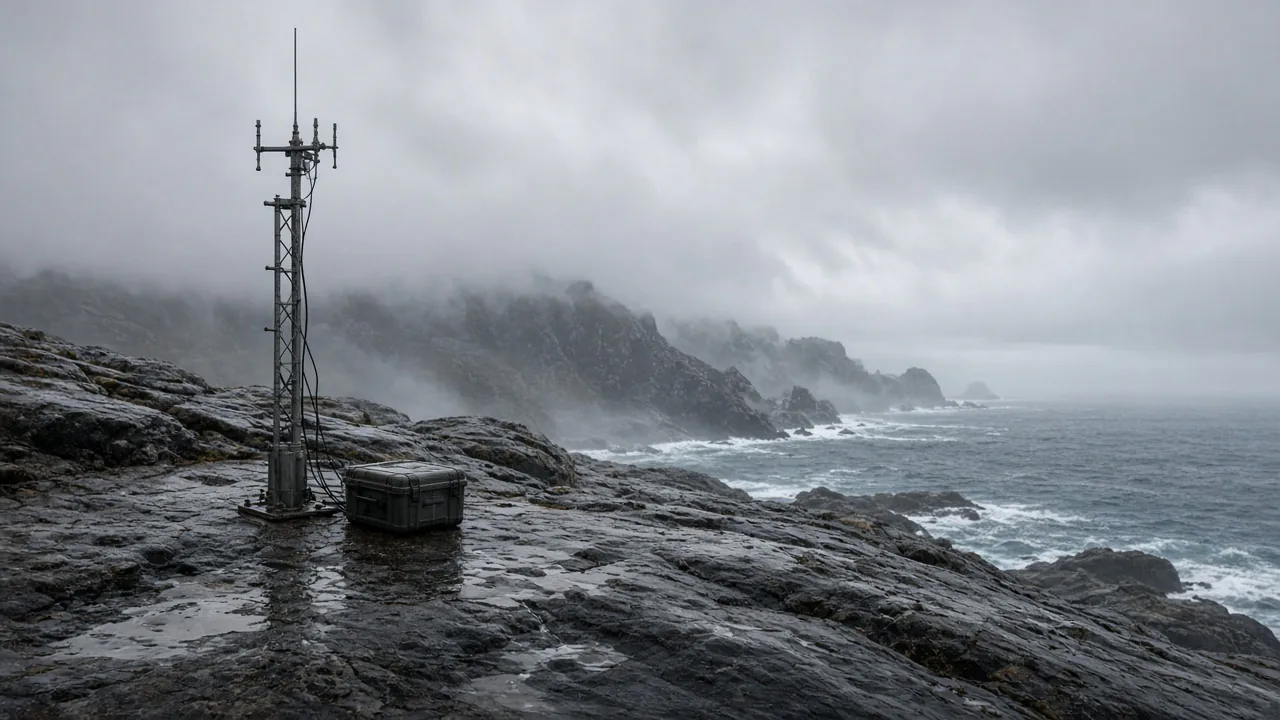
Communications
Work continues beyond coverage.
At sea, in the field, at a remote site and on the move, the availability of a link changes. Distance, terrain, weather, interference and power determine which channels can be used.
We treat communications as part of the RUS OS architecture: from the radio and the antenna to the path of the data and the behavior of the application when the connection breaks.
The task of the system is to use what is available, to show the limits and to keep the necessary functions when a channel is lost.
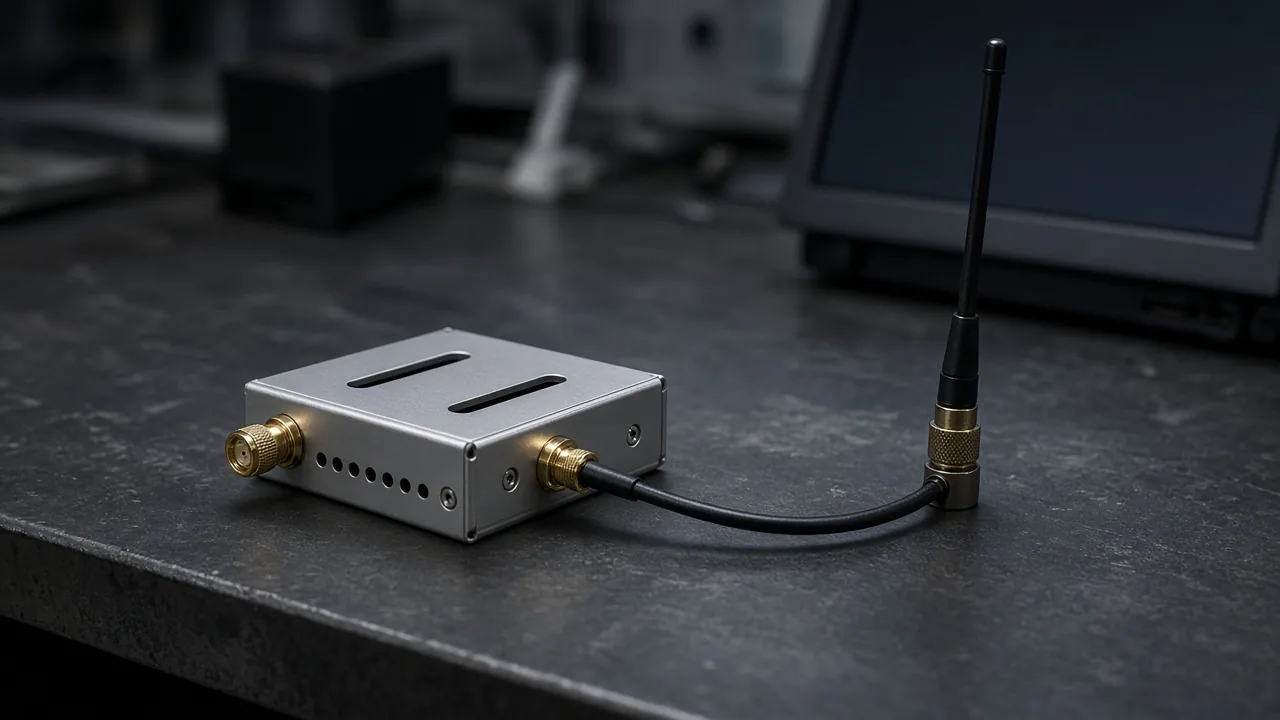
The air and SDR
Working with the radio signal in software.
Software-defined radio, SDR, makes it possible to move a large part of signal processing into software.
This direction joins work with radio equipment, digital signal processing, watching the spectrum and studying communication channels.
For RUS OS we are interested in integrating SDR devices, controlling their modes, processing and recording data, showing the spectrum and working with application tools.
The whole chain matters: the properties of the radio path, time accuracy, computational load and the ability to reproduce the result.
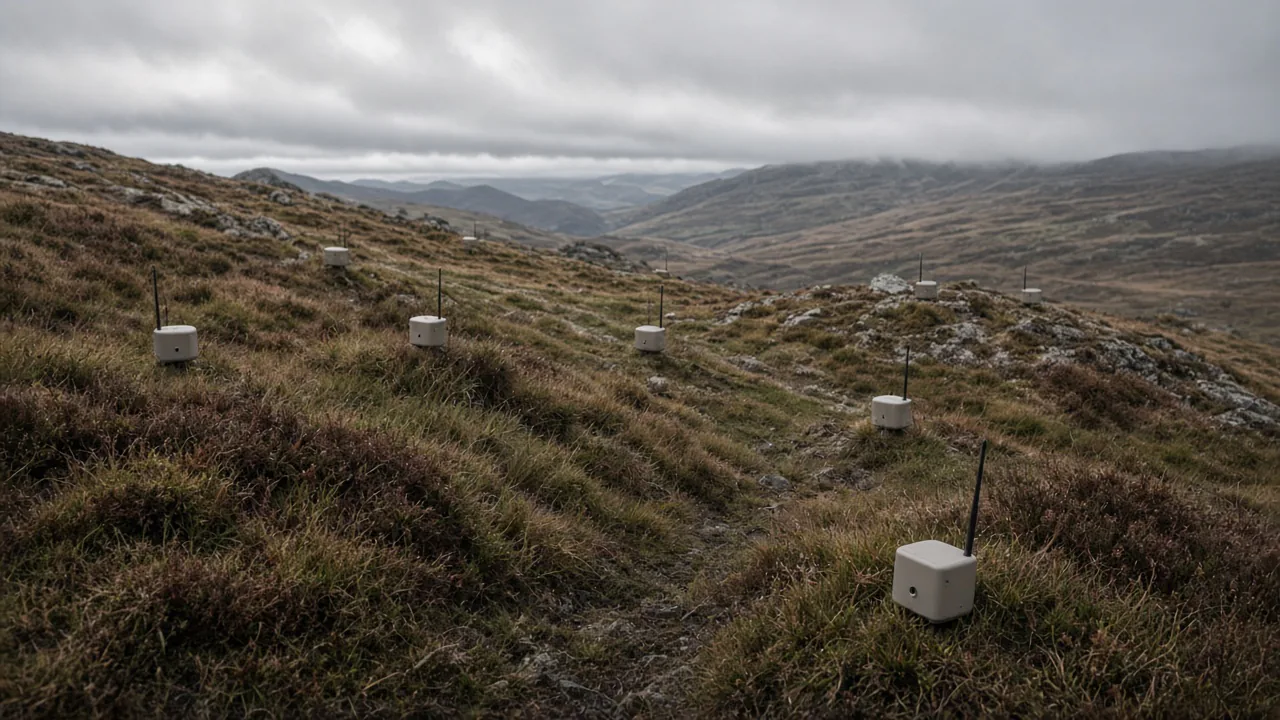
Mesh networks
A link through neighboring nodes.
In a mesh network devices can pass data through one another, forming routes of several hops.
This approach is of interest for distributed sites, temporary infrastructure and work where a direct connection is not available to every participant.
We look at discovering neighboring nodes, building routes and the behavior of the network when devices move or switch off.
Each extra hop has a cost: delay, energy and occupied channel capacity. So the network architecture has to match the volume of data, the number of participants and the character of the terrain.
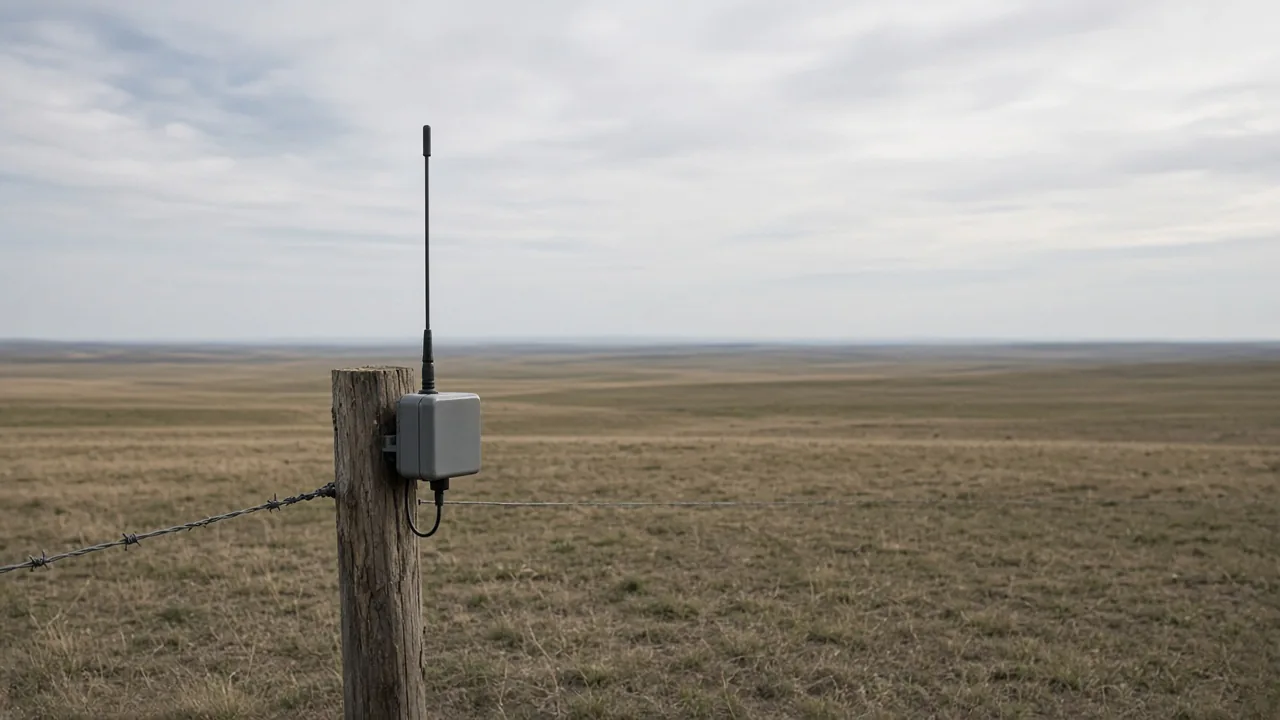
LoRa and LoRaWAN
Small messages. Economical power use.
Sensor readings, coordinates, equipment states and short notices often need only a small volume of data to be sent.
LoRa is of interest for such tasks because it joins radio over considerable distances with the possibility of devices that use little power. Real range and autonomy depend on the equipment, the settings and the conditions of use.
LoRa defines a way of radio transmission. LoRaWAN sets a network protocol for building the matching infrastructure. Solutions on LoRa can also use other exchange protocols.
We study these technologies for telemetry, remote observation and interaction of devices with limited resources.
Satellite communications
A channel for remote territory.
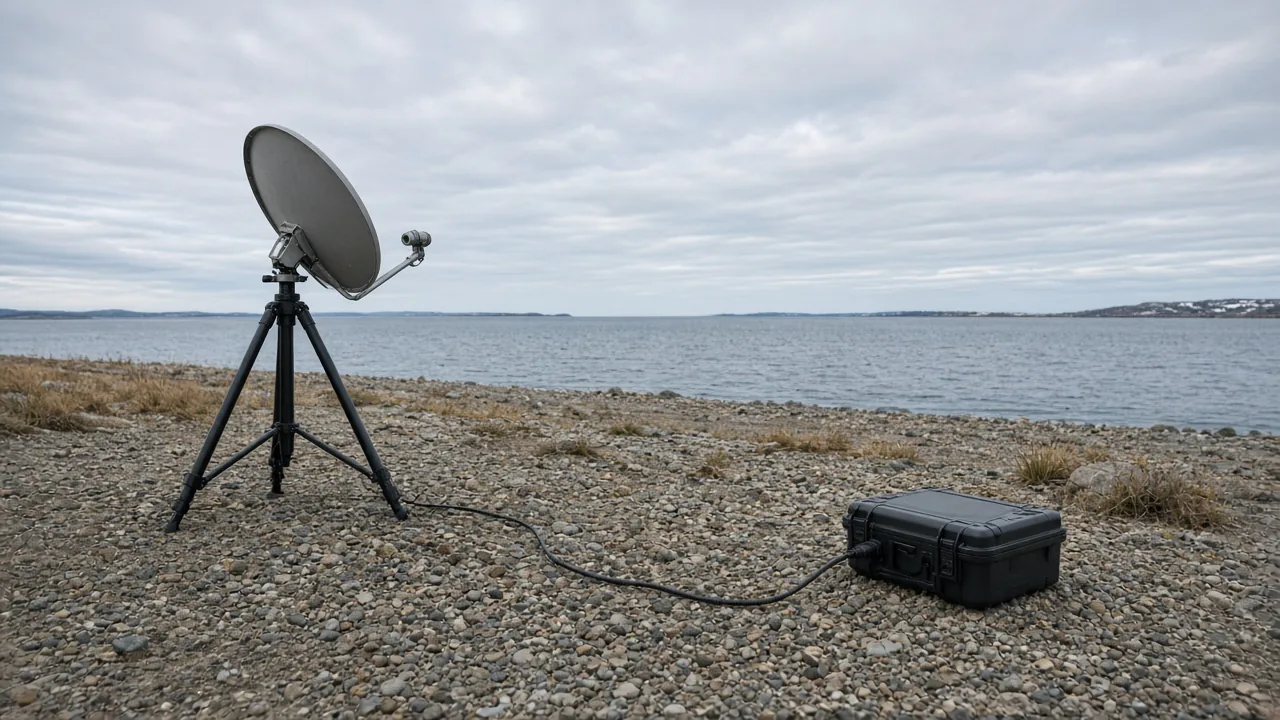
On the open sea and far from ground infrastructure, satellite communications can provide access to outside networks and the transfer of working data.
For the system the properties of a particular service matter: the coverage area, satellite availability, requirements for placing the terminal, delay, capacity and power use.
We look at integrating satellite terminals and at applications that work with a limited or only periodically available channel.
The data to be sent has to have a priority. An urgent message, telemetry and a large archive make different demands on delivery.
Several channels. Coordinated work.
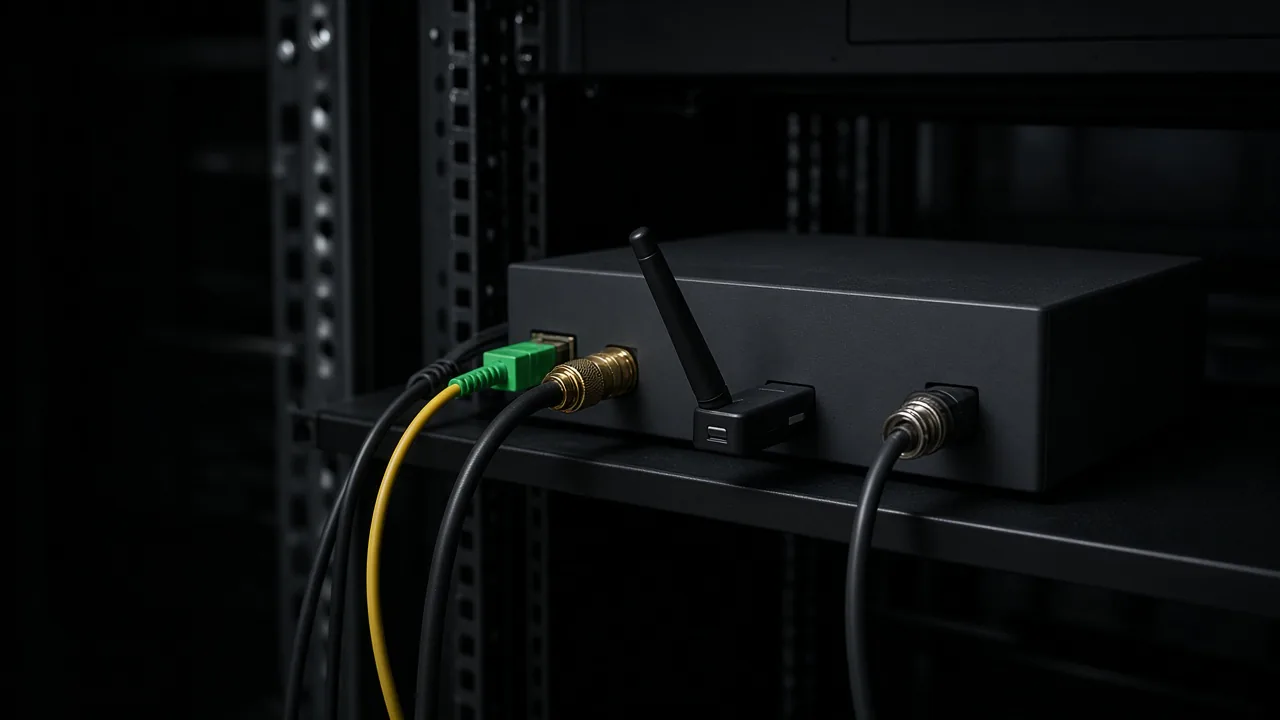
A wired network, local radio, a cellular link and a satellite connection can take part in one system.
For each channel the purpose has to be set: the main exchange, reserve, telemetry or the transfer of priority messages.
Switching between them needs clear rules. Which data may be sent? What are the cost and the available capacity? Is the protection kept? What happens to a send that was not finished?
The operator has to see the current channel, its state and its limits.
Autonomy when the link is lost
Keep the work. Wait for the transfer.
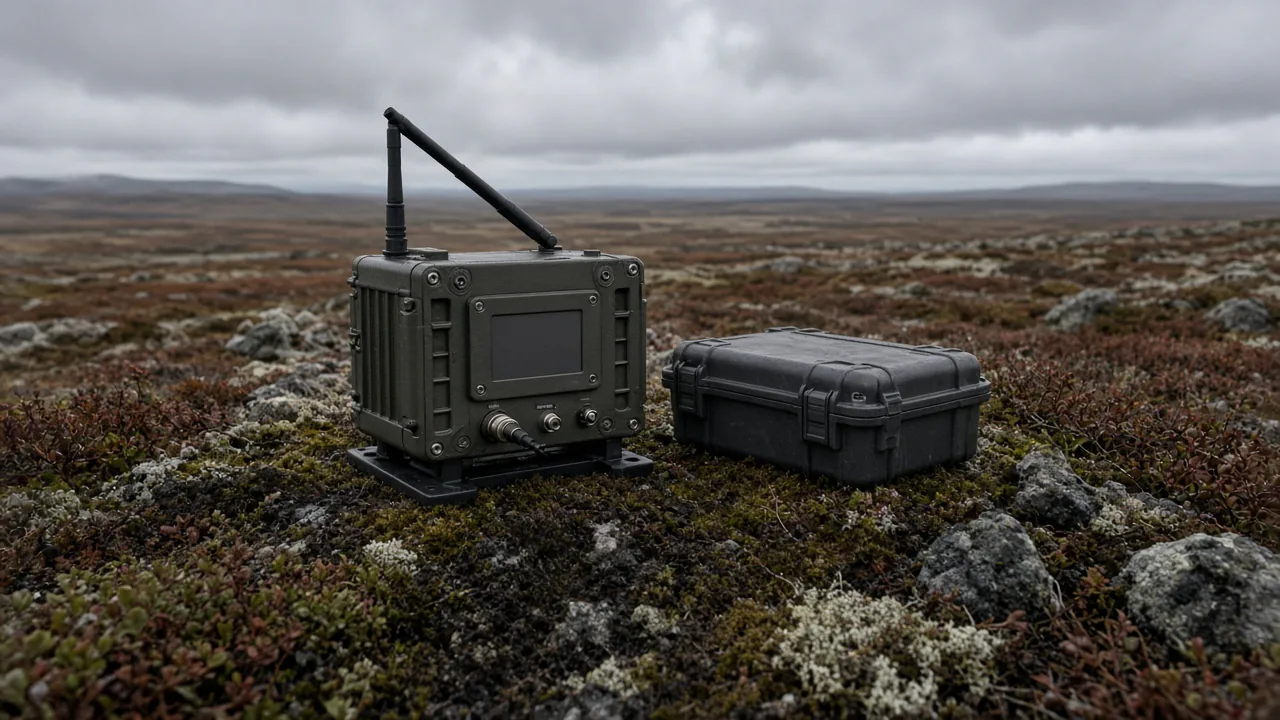
A broken connection has to be a planned mode of operation.
The system keeps the necessary data locally, accounts for how long it stays current and prepares it for transfer after the channel returns. A repeated delivery must not cause an unintended repeat of an action.
For commands, the lifetime, confirmation of receipt and confirmation of execution are set separately.
A person has to understand which information is current, what has already been delivered and what is still waiting to be sent.
Protection in any medium
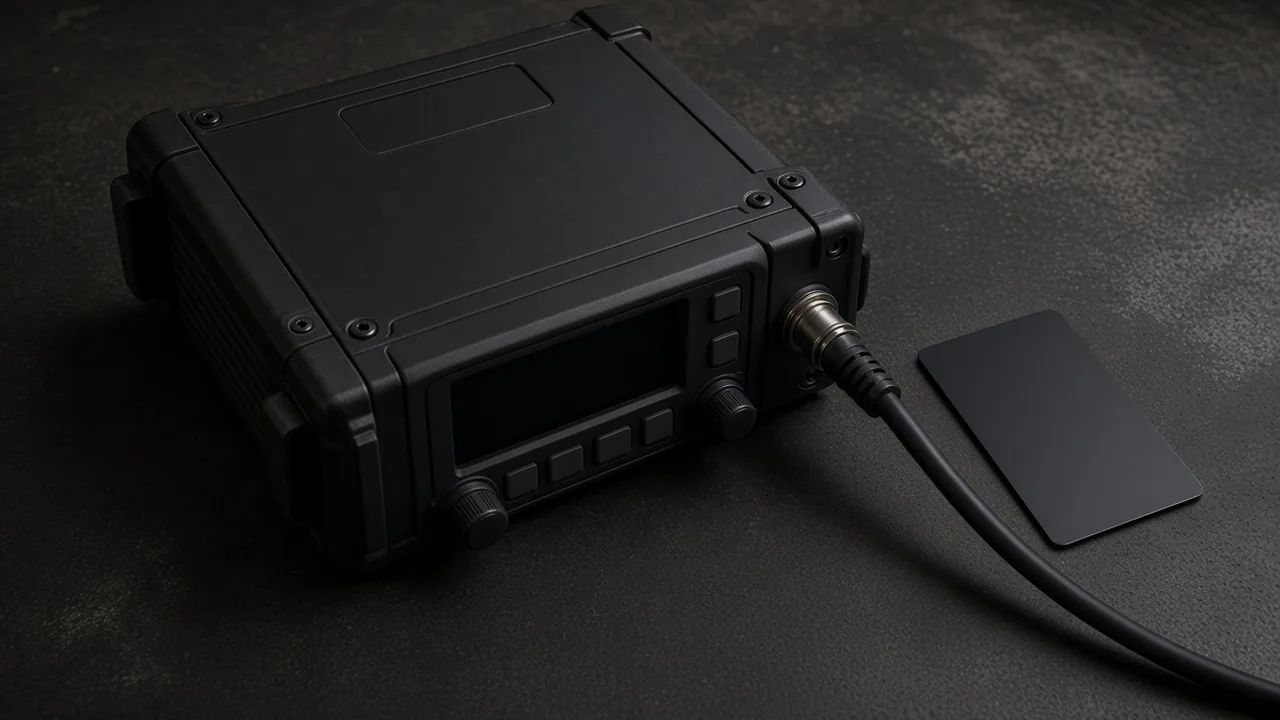
A radio channel, a mesh network and a satellite connection require checking the participants and protecting the exchange.
We look at device authentication, key management, integrity control and protection against replay of messages, taking the limits of each channel into account.
A device should accept data and commands only within the trust that was set. A change of route or of the way of connecting has to take these requirements into account.
From the radio signal to a working result
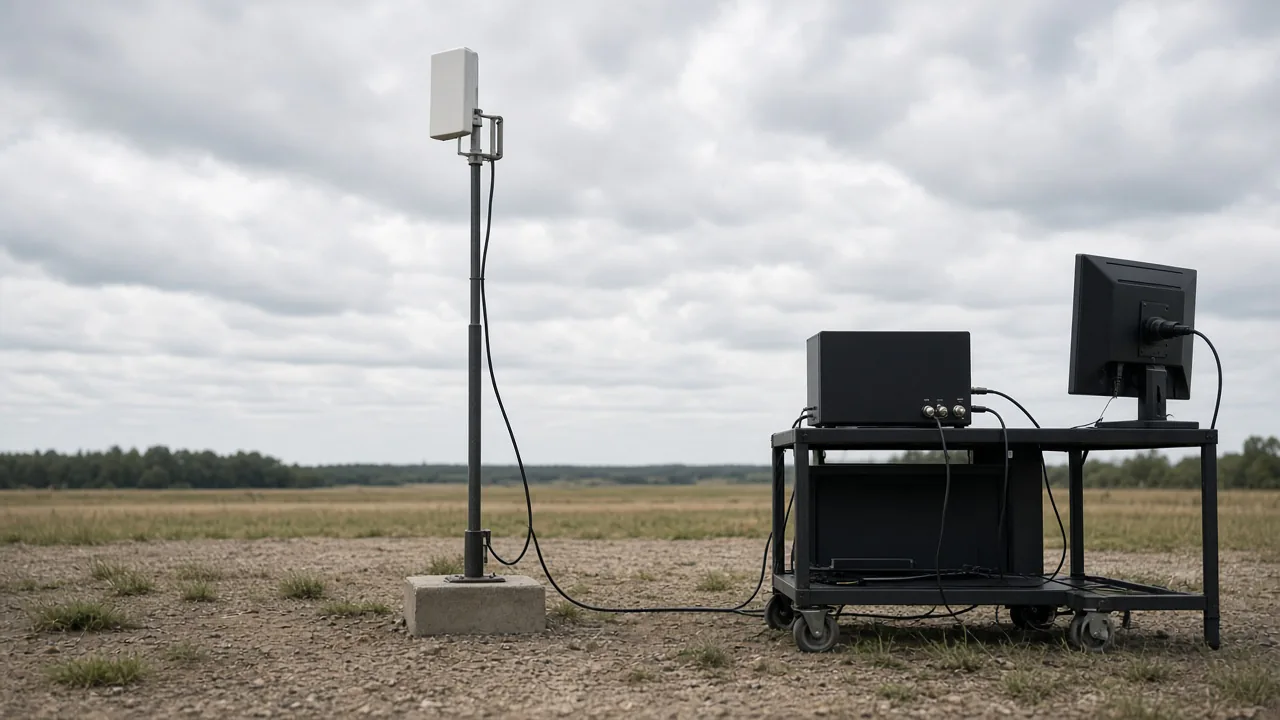
The quality of a link is set by the whole system: the antenna, the radio path, power, the protocol, routing and the behavior of the application.
So research and trials have to take place on the target equipment and in the characteristic conditions. We are interested in delivery of useful data, energy use, delay and recovery after the connection is lost.
We develop this direction so that RUS OS devices can carry out their tasks over long distances, with limited infrastructure and with a link that comes and goes.