RUS OS
A large country. Different tasks.
From Arctic ice to a warm southern shore.
From the Baltic coast to the Pacific Ocean.
Russia brings together different distances, rhythms and conditions of life. People build, research, produce and work here, including places where the nearest city is hundreds of kilometres away.
We make operating systems for the people who do this work.
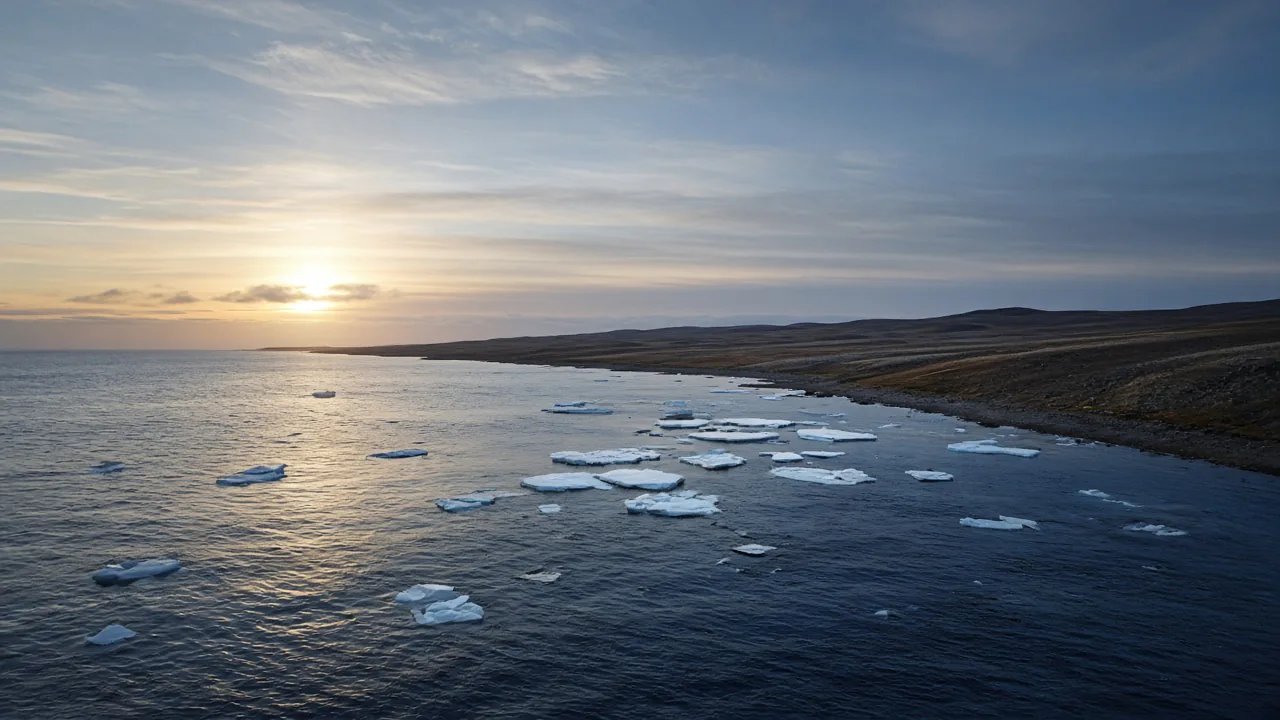
The Arctic and the Far North
Open ice, tundra and cold seas. In winter the northern lights rise above them, and in summer the sun stays above the horizon for weeks.
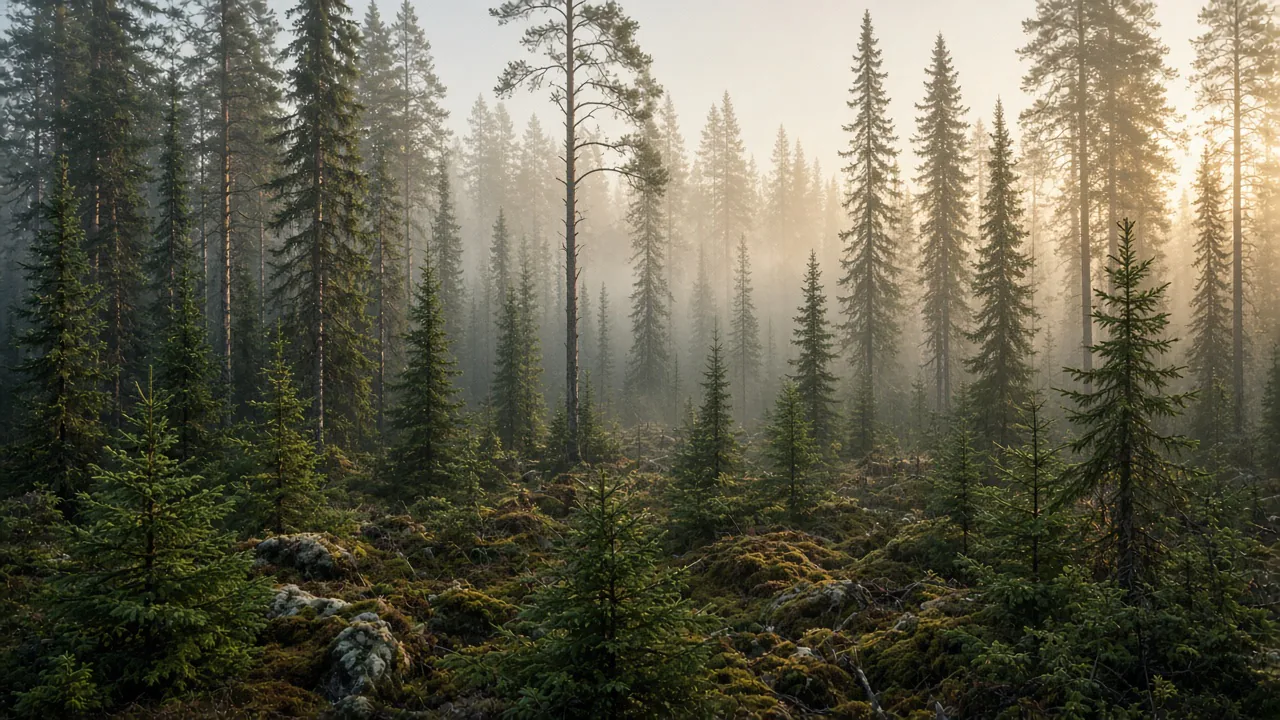
Taiga
Forests for thousands of kilometres, large rivers and quiet channels. Morning mist hides the banks, and past the last settlement a long road begins.
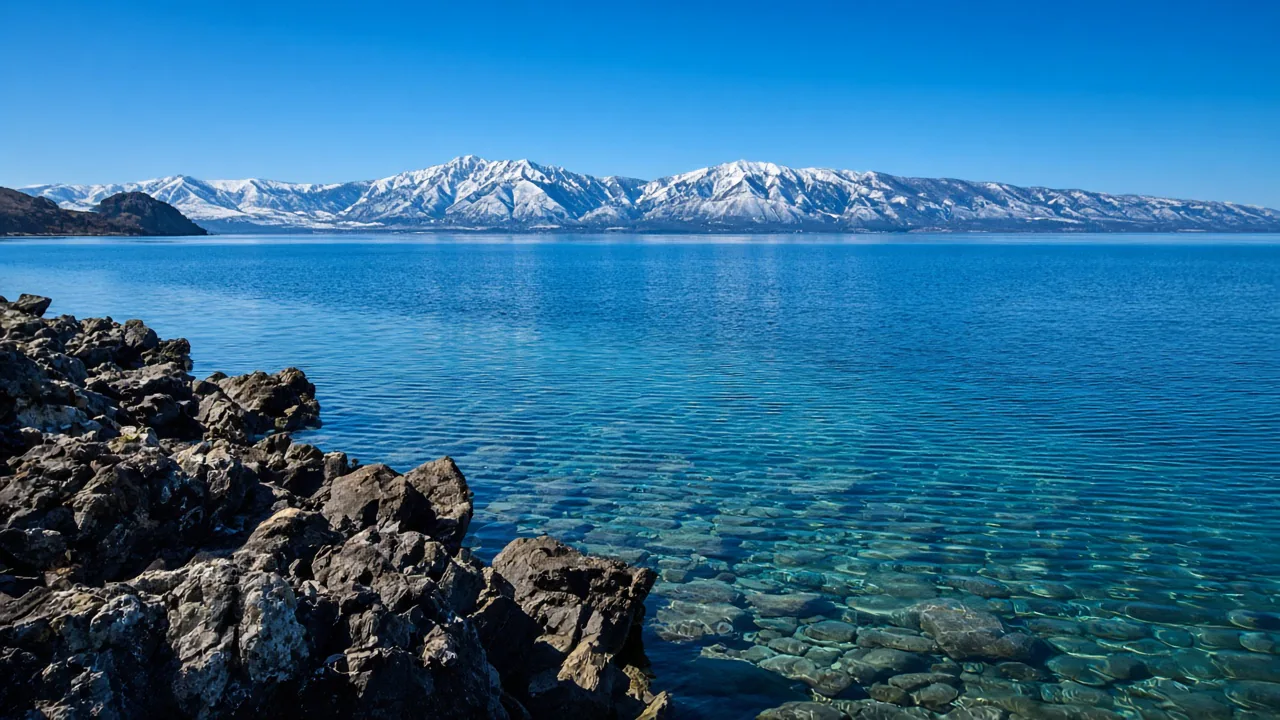
Baikal
Deep fresh water, rocky shores and clear winter ice. A space where the scale of nature is especially plain.
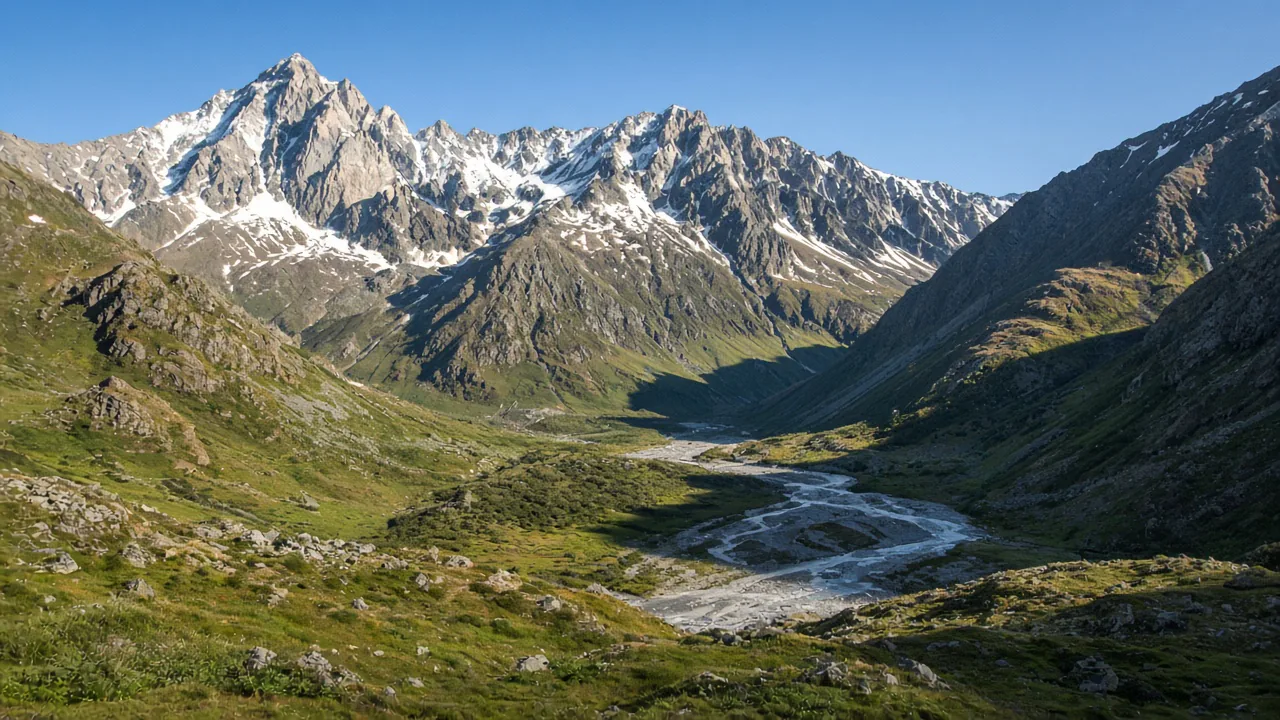
Altai
Snowy peaks, high plateaus and river valleys. Beyond each pass the landscape changes, and distance here is also measured in height.
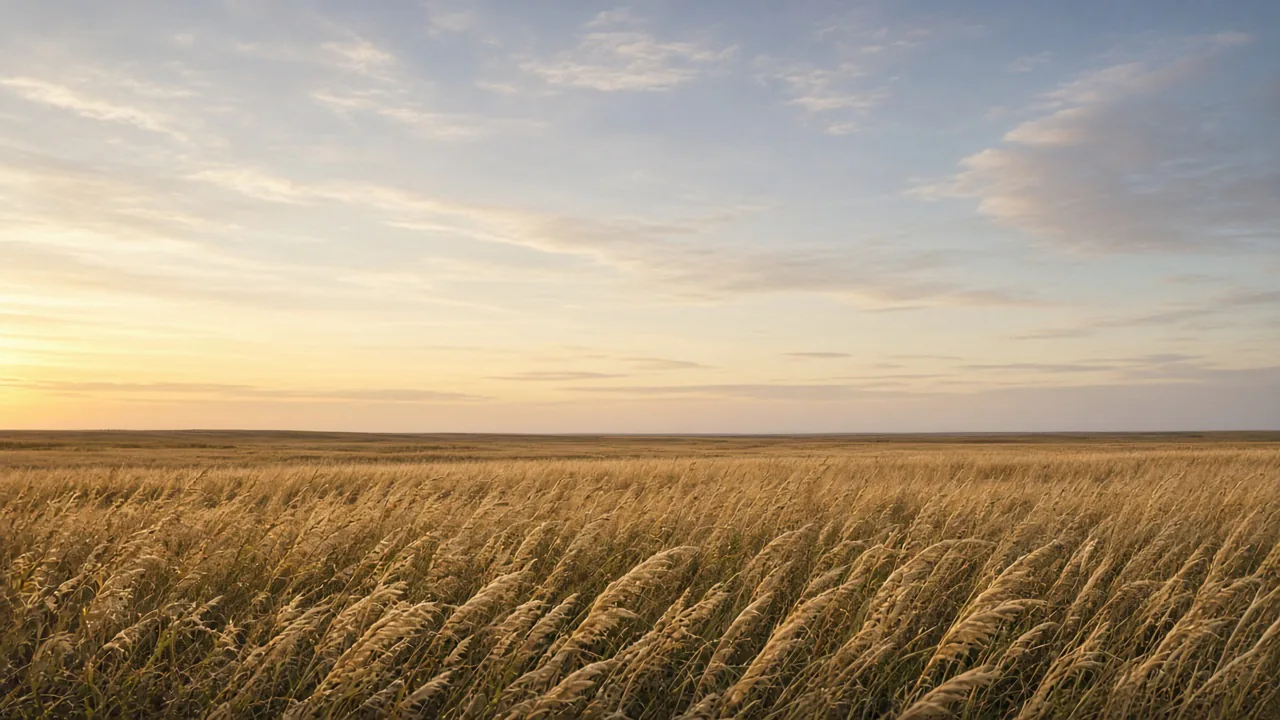
Steppe
Open ground under a large sky. Grass, wind and a horizon beyond which the road continues.
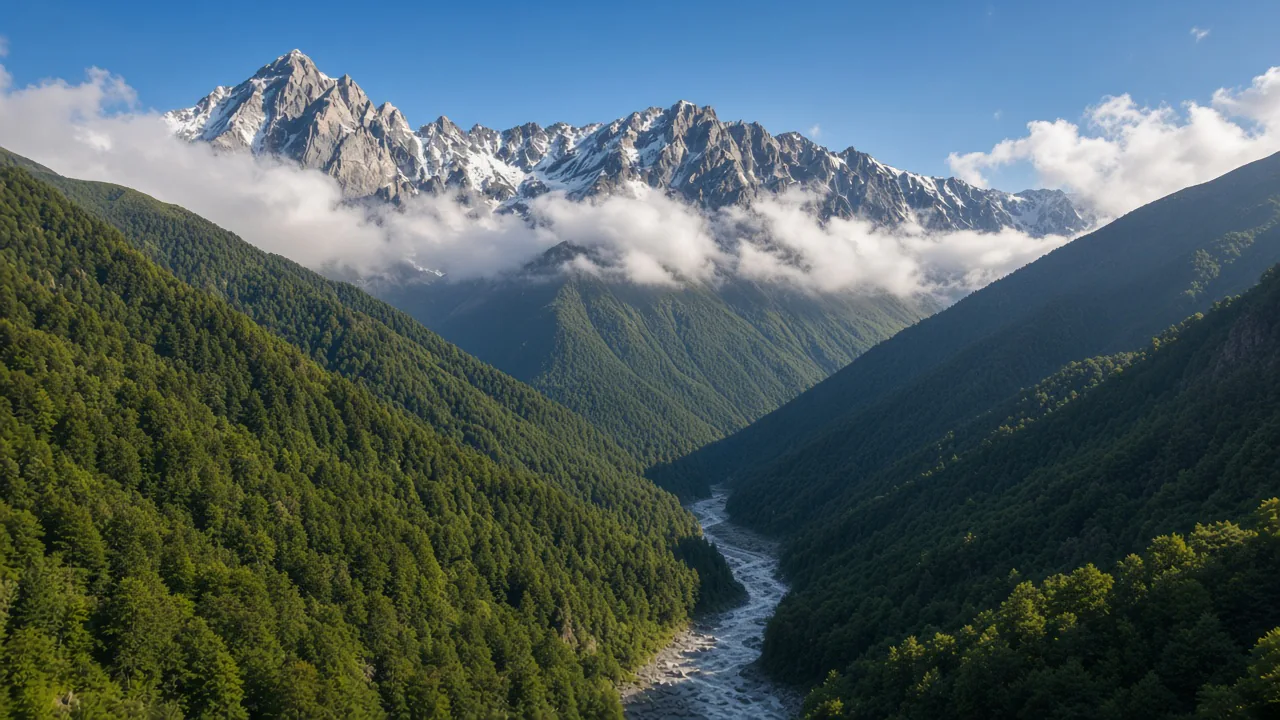
The Caucasus
Forested slopes, deep gorges and peaks above the clouds. Valleys connect towns and villages, and passes open a way through the mountains.
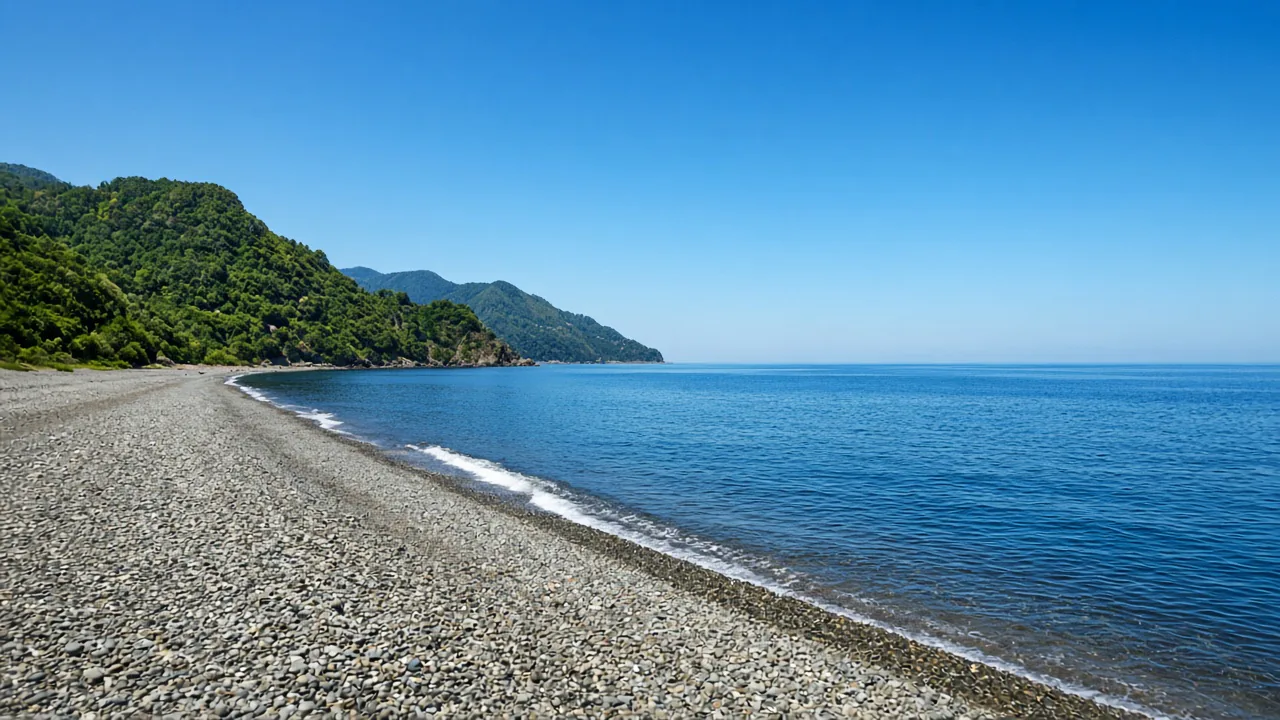
Krasnodar Krai
The Sea of Azov and the Black Sea, steppe, orchards and foothills. A warm region where coastal towns, stanitsas and mountain settlements live side by side.
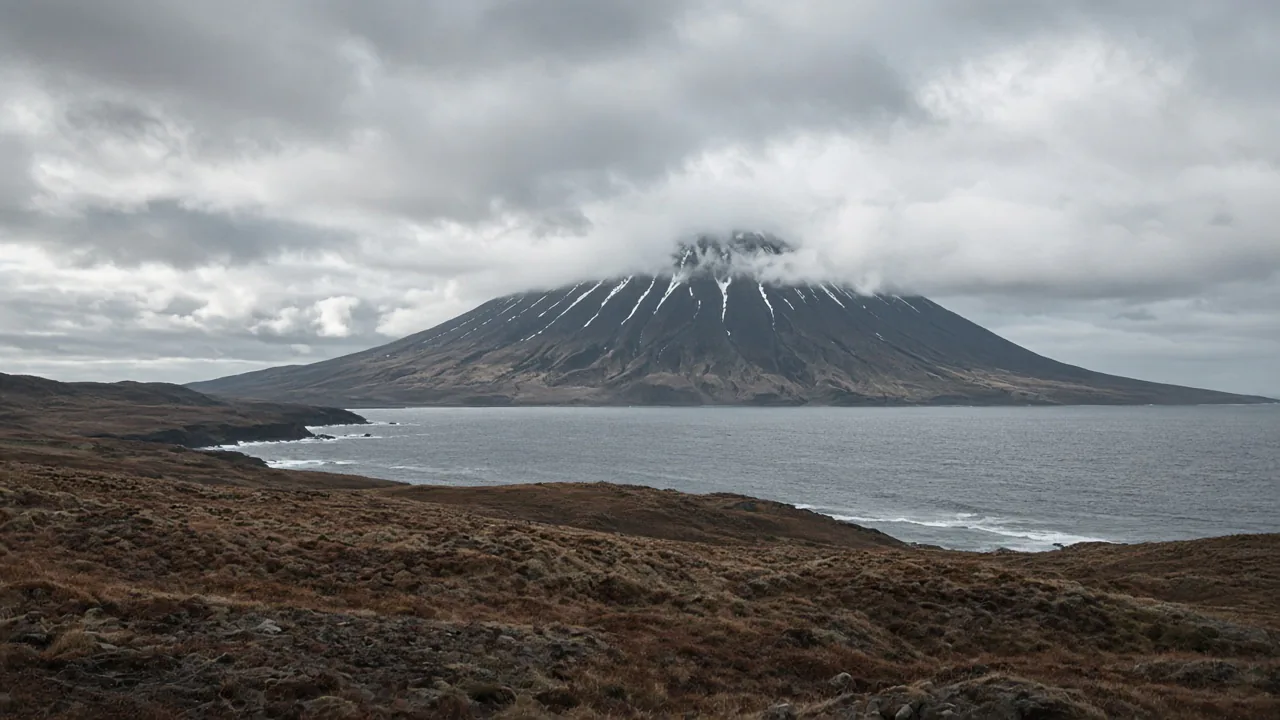
Kamchatka
Volcanoes, hot springs and a severe Pacific shore. Land where the forces that keep changing it are especially plain.
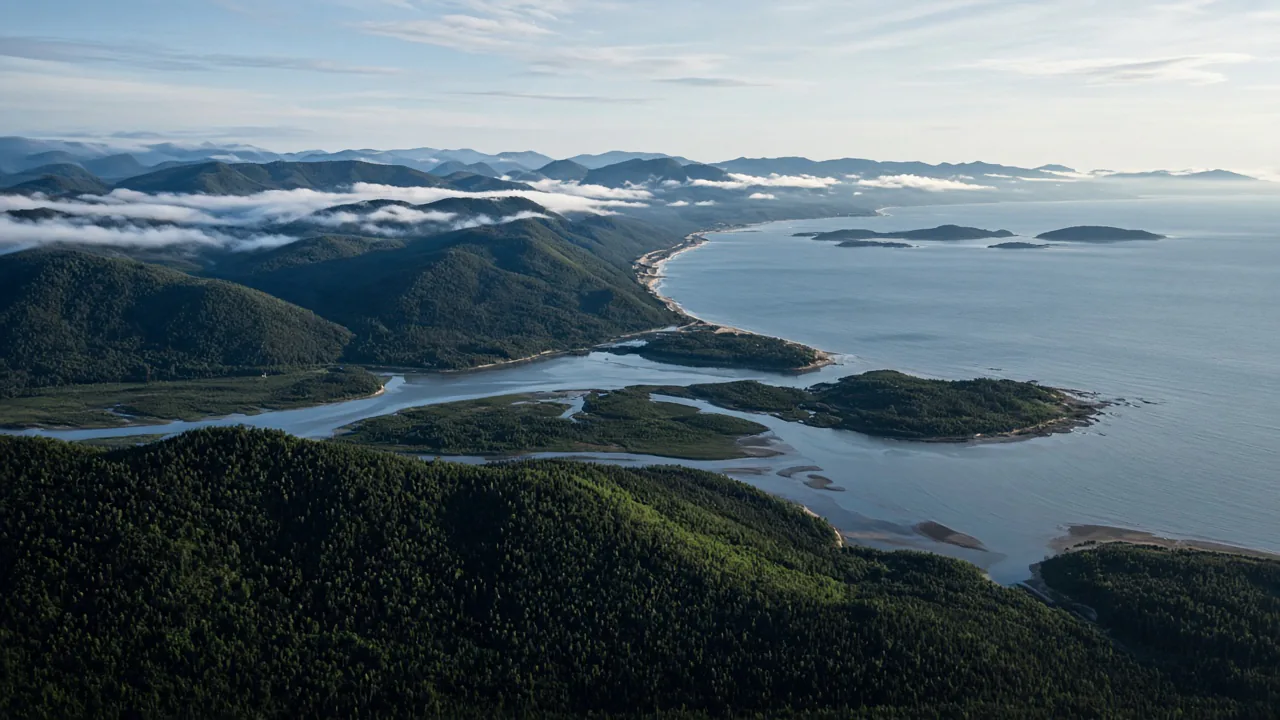
The Far East
Large rivers, dense forests, islands and ocean bays. Great distances, and cities that meet the new day earlier than most of the country.
A system starts from its task
An engineer's workplace, industrial equipment, a laboratory complex and a field terminal work in different conditions. Each has its own requirements for performance, security, communications and service life.
At a workplace, a clear interface, the needed applications and compatibility with peripherals matter. A person should settle in quickly and carry out the daily work comfortably.
In production, stability, support for specific equipment and controlled change are required. Updates have to follow the work cycle, and recovery after a failure has to be planned in advance.
In a laboratory, precise setup, a reproducible environment and the ability to work with specialised tools matter.
In the field, the system has to do its job with an unstable link or with none. Autonomy, keeping the data, and restoring work on site matter especially here.
Service lives differ too. Some devices regularly receive new capabilities, others perform a strictly defined task for years. Each case needs a clear update order, support and control over changes.
Shared principles. Considered differences.
RUS OS joins systems for different tasks with shared engineering principles: the necessary set of components, clear control, justified security settings and predictable maintenance.
We start with questions: who will work with the system, on what equipment and in what conditions? What must stay available without a network? How will updates be installed? Who can restore the device, and how much time is there?
The answers determine how the system is built and the whole path of its operation.
Behind every screen there is a person and their work. Our task is to give them a reliable tool that is clear to use and clear to maintain.